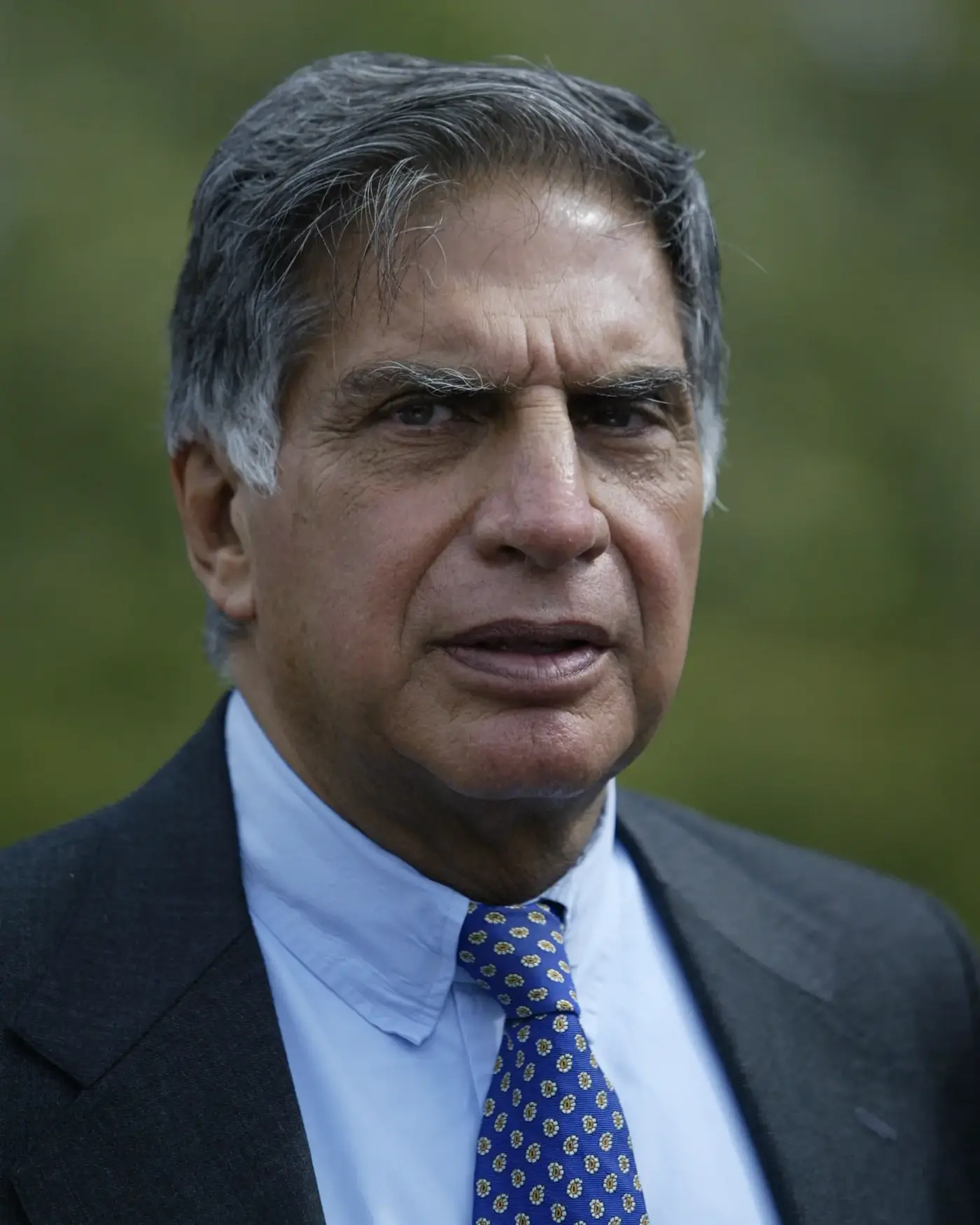
Founder · India
Ratan Tata
Raised by his grandmother after his parents split, he started on the shop floor at Tata Steel, went to Detroit to try to sell his struggling car business to Ford in a meeting colleagues called humiliating, and nine years later bought Jaguar Land Rover from Ford.
01 / At a glance
- Born
- 28 December 1937, Bombay (now Mumbai)
- Died
- 9 October 2024, Breach Candy Hospital, Mumbai, aged 86
- Raised by
- His grandmother, Navajbai Tata, after his parents separated in 1948
- Education
- Cornell University, B.Arch (1962); Harvard Advanced Management Program (1975)
- First job in the group
- Assistant at Tata Industries (1962); training at Telco, then Tata Steel, Jamshedpur (1962–63)
- Chairman
- Tata Sons, March 1991 to December 2012; interim chairman October 2016 to February 2017
- Under him
- Group revenue grew over 40 times and profit over 50 times
- Big buys
- Tetley, Corus, Jaguar Land Rover (2008)
- Cars
- Indica (1998), Nano (2008)
- The question his life answers
- How do you prove you deserve a job people think you got for your surname?
01 / Where he came from
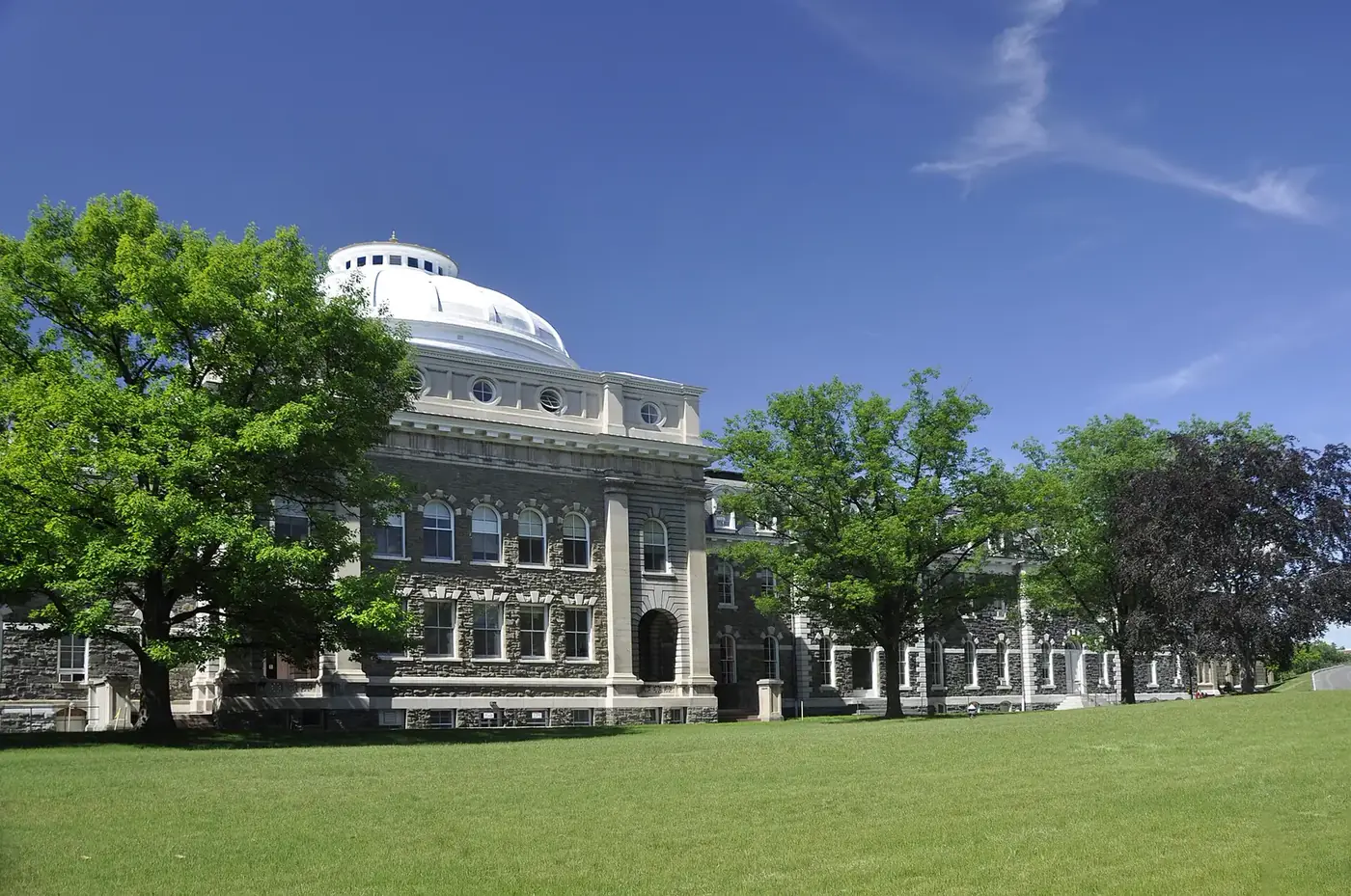
- Born on 28 December 1937 in Bombay to Naval and Soonoo Tata.[1][2]
- His parents separated in 1948, when he was 10. His grandmother Navajbai raised him: "She was very indulgent, but also quite strict in terms of discipline."[1][2]
- He was shy at school. "One thing I have never recovered from is a fear of public speaking." A maths teacher, he felt, "was determined that I never complete school. He almost succeeded."[2]
- At Cornell he studied engineering for two years to please his father, then switched to architecture, "much to my father's consternation". He graduated in 1962.[1][2]
- He was happy working at an architecture firm in Los Angeles, but came home in 1962 when his grandmother fell ill.[1][2]
02 / Starting at the bottom
- Back in India he had a job offer from IBM. JRD Tata told him he could not work for IBM in India and asked for a résumé. He had none, so he typed one on an IBM office typewriter.[2]
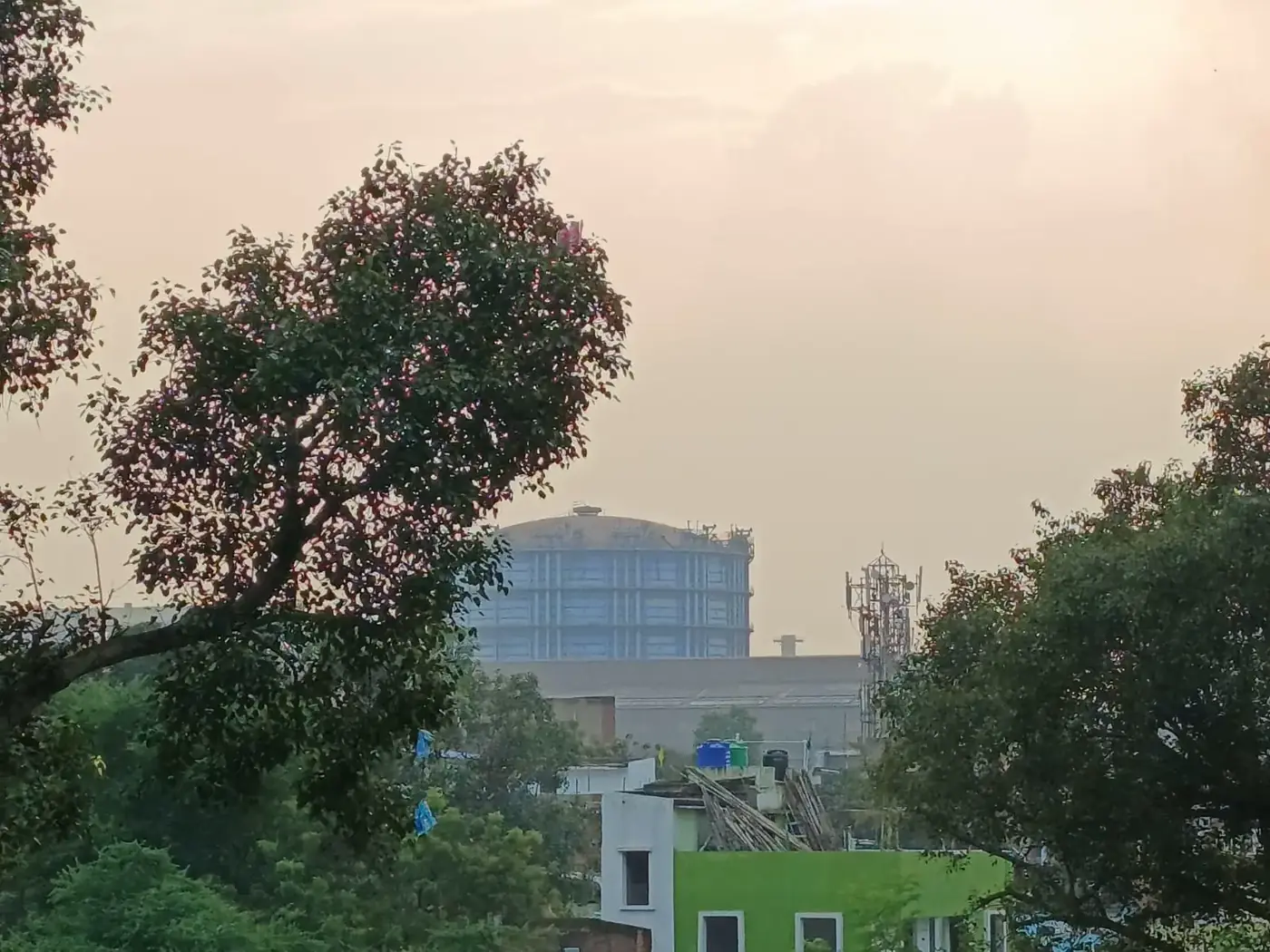
- He joined the group in 1962: six months at Telco, then the Tata Steel shop floor from 1963.[1][2]
- In 1971 he was put in charge of Nelco, an ailing electronics company. He turned it around, then watched it collapse in an economic slowdown.[1][2]
- He did Harvard's Advanced Management Program in 1975.[2]
03 / The chairman nobody expected
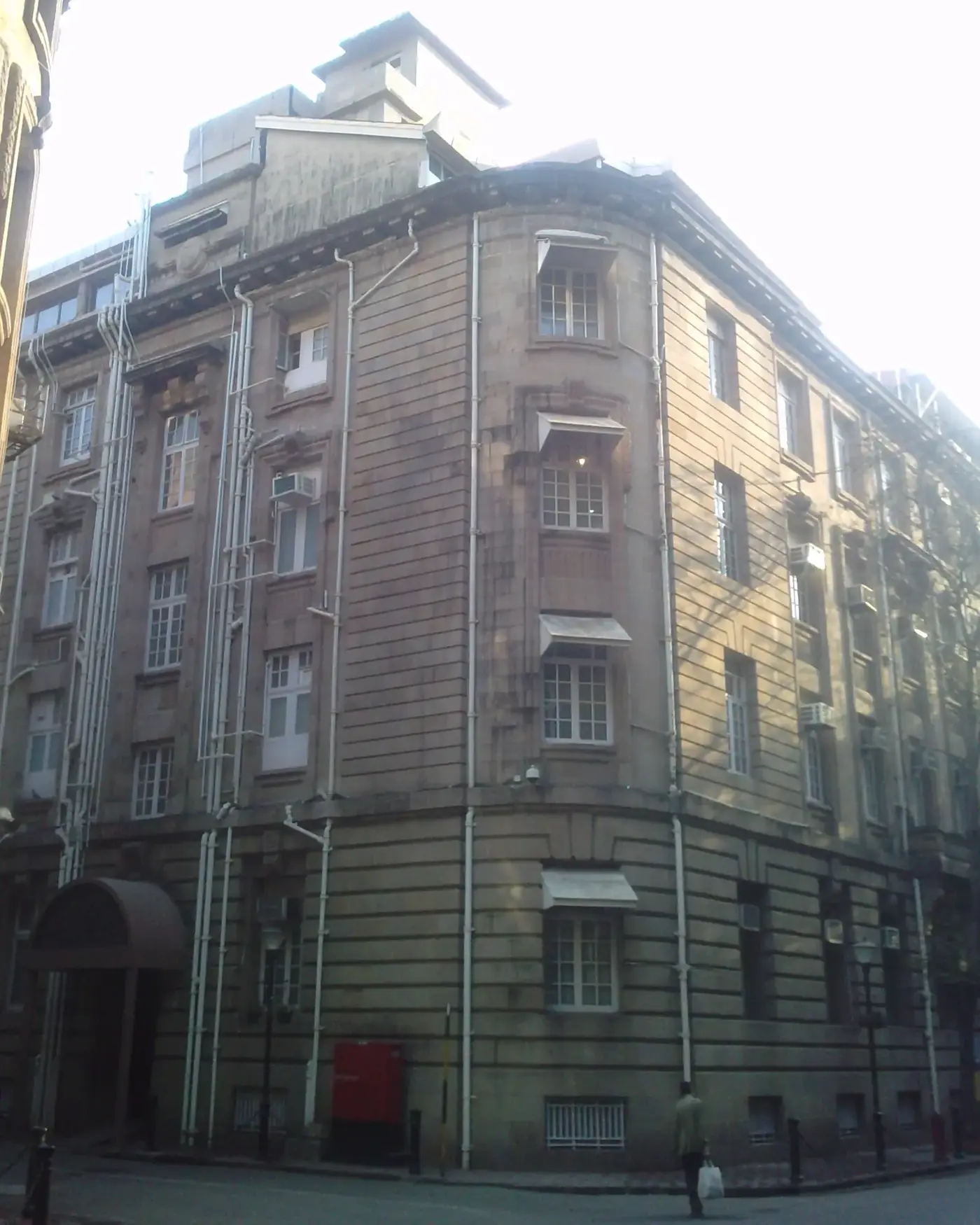
- He took over from JRD Tata as chairman on 25 March 1991, the year India began opening its economy.[2]
- Many saw him as "an accidental chieftain who had ascended to the top mainly by virtue of his surname and lineage".[2]
- The heads of the group's companies, used to running things their own way, pushed back hard. He brought in a retirement age and made the companies report to the group office.[1]
- Over his 21 years, group revenue grew more than 40 times and profit more than 50 times.[1]
04 / The car nobody wanted
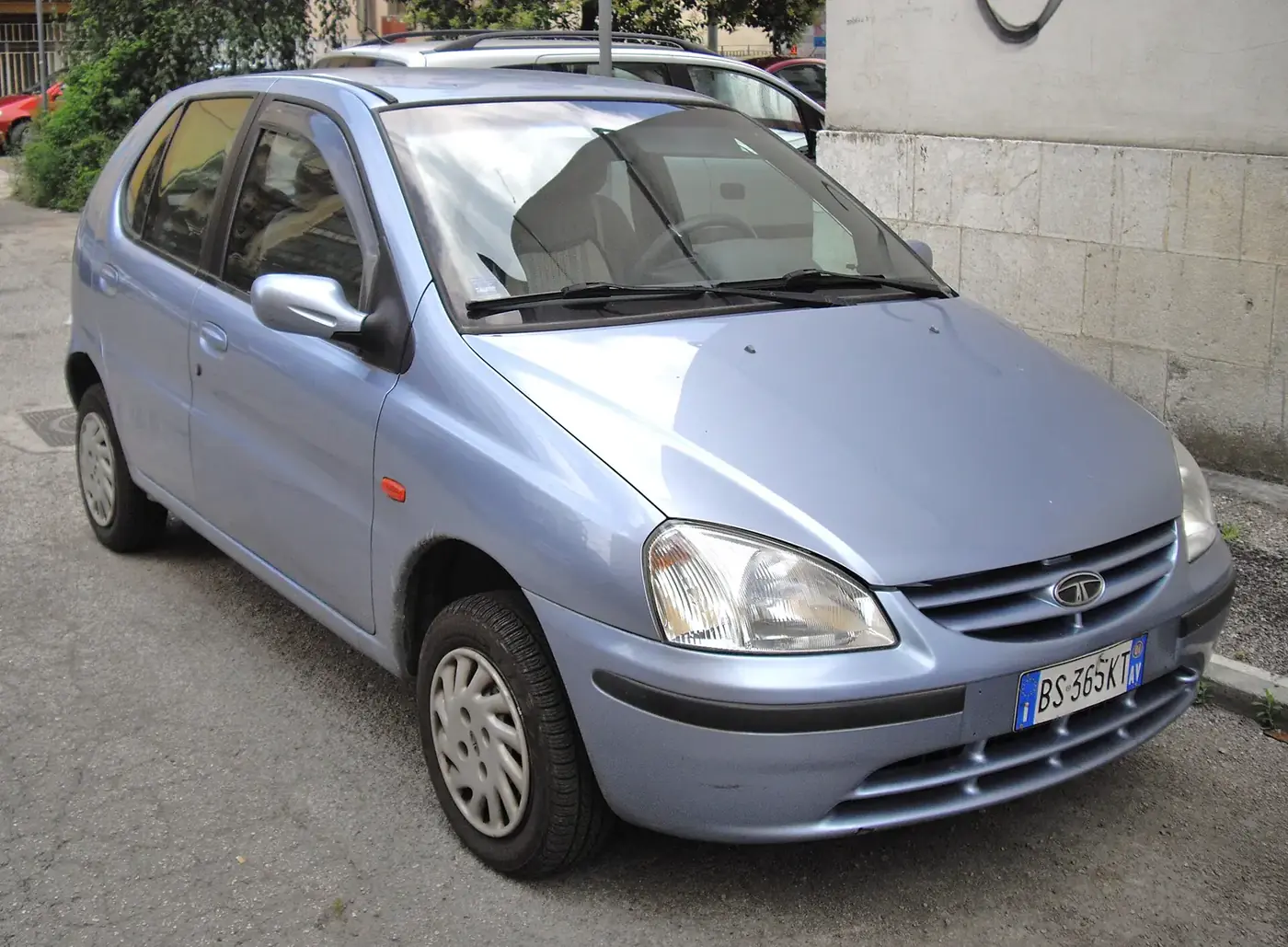
- In 1998 Tata Motors launched its first hatchback, the Indica. The response was poor.[3]
- Within a year the group tried to sell the car business to Ford. In Detroit in 1999, a Tata veteran recalled in 2015, Ford's team told them: "you do not know anything, why did you start the passenger car division at all."[3]
- The team flew back to New York that evening. He was "sombre through the 90-minute flight", a colleague recalled. Tata kept the car business.[3]
- In 2008 Tata bought Jaguar Land Rover from Ford. According to his colleague Pravin Kadle, Bill Ford told him: "You are doing us a big favour by buying JLR."[3]
- With Tetley, Corus and JLR, more than 65% of Tata's revenue came from outside India.[1]
05 / The Nano and what went wrong
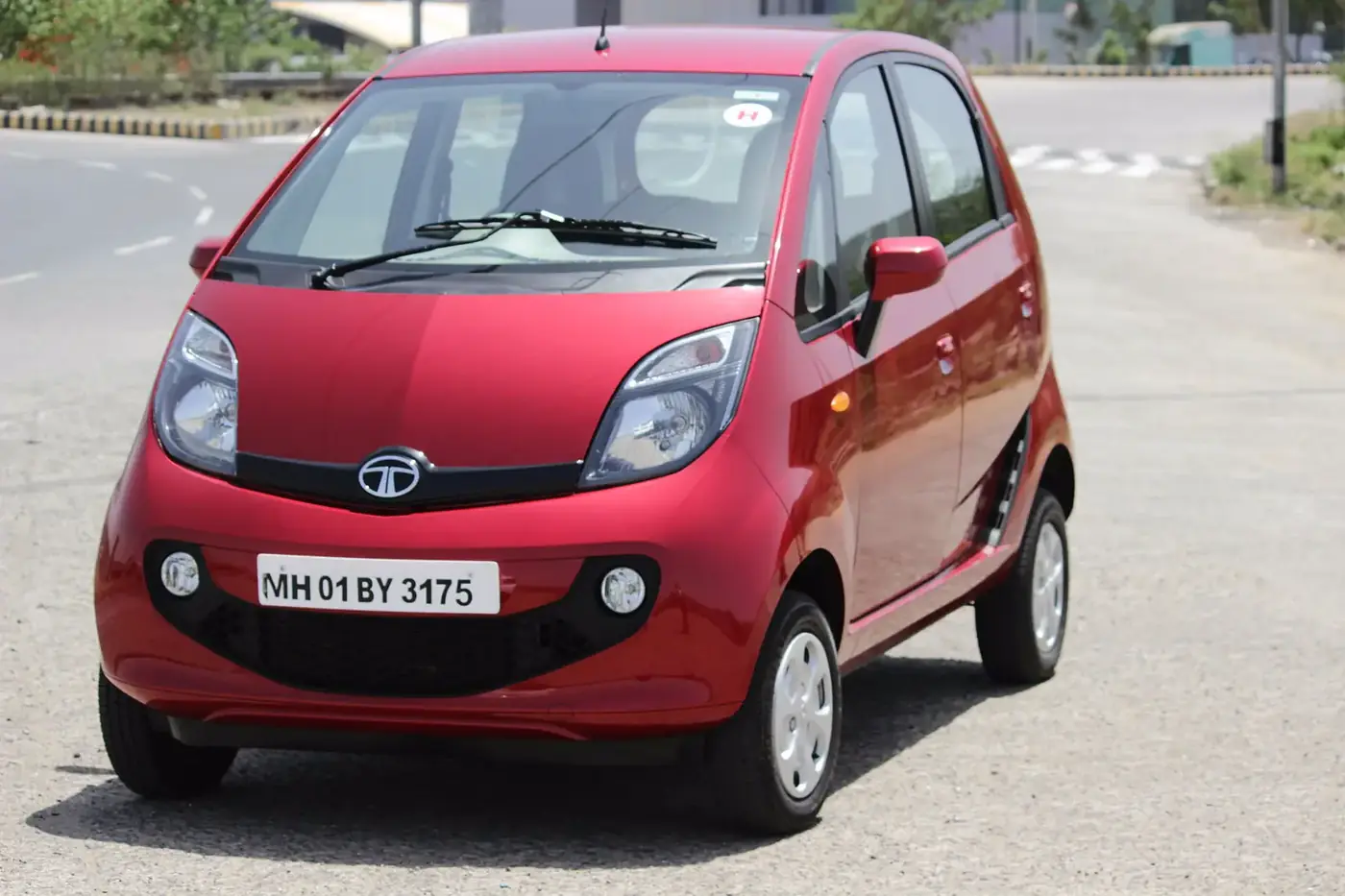
- The idea came from "constantly seeing Indian families on scooters, maybe the child sandwiched between the mother and father", often on slippery roads.[5]
- The Nano was unveiled on 10 January 2008 at a price of ₹1 lakh.[6]
- Farmers protested the acquisition of their land for its factory at Singur, West Bengal. Tata delayed the launch and moved production to Sanand, Gujarat.[6]
- Sales never got near the planned 250,000 a year. The car lost money, and production stopped in May 2018.[6]
- His verdict: "It became termed as a cheapest car by the public and, I am sorry to say, by ourselves, not by me, but the company when it was marketing it."[4]
06 / Later years
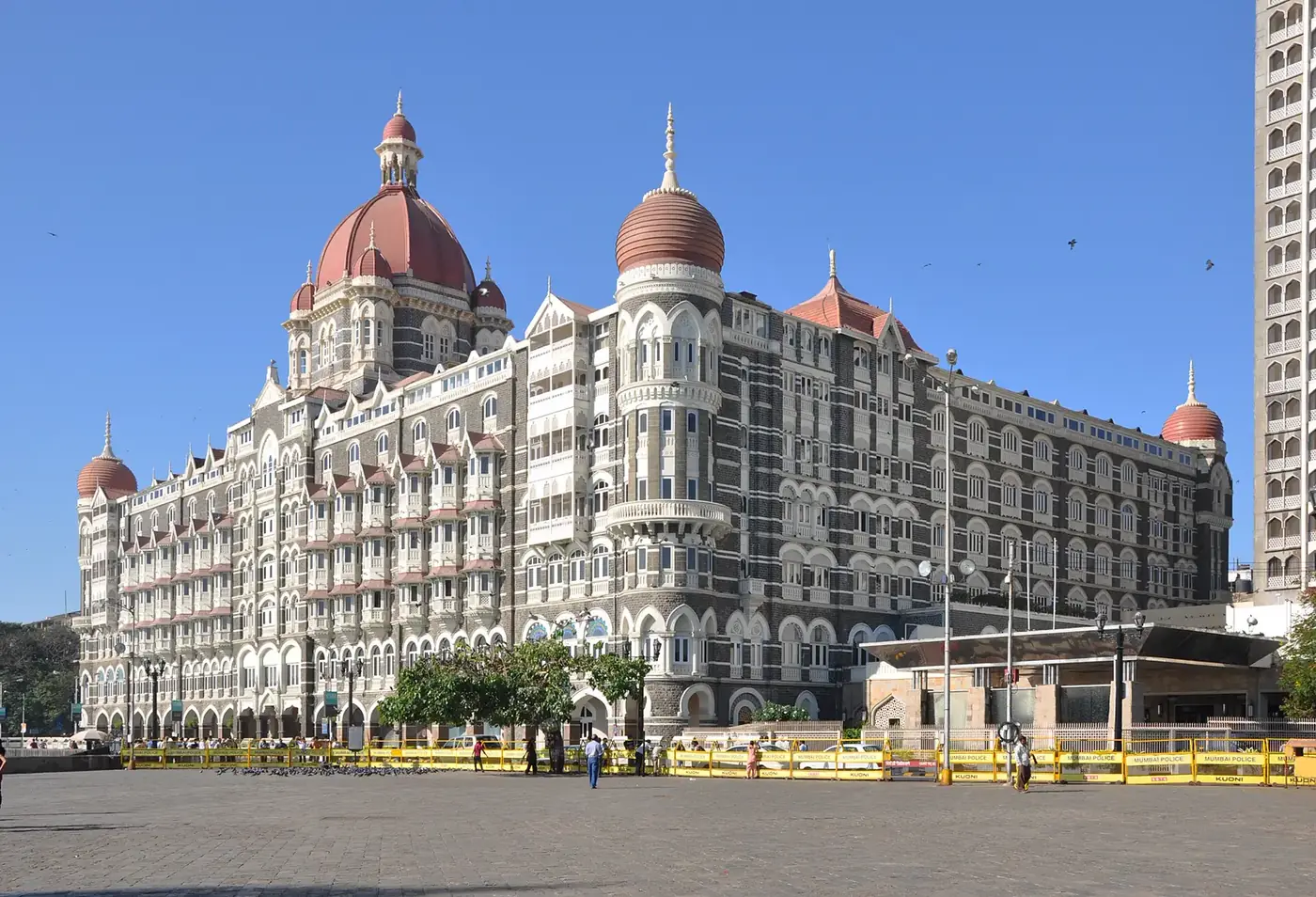
- During the November 2008 attack on the Taj hotel he waited outside for three days. Afterwards he restored the hotel and supported the families of those killed.[1]
- He stepped down in December 2012 after 50 years with the group. When his successor was removed in October 2016, he came back as interim chairman until February 2017.[1][2]
- He gave Cornell $50 million in 2008, and from 2014 he invested in Indian startups.[1][2]
- He never married: "I came close to getting married four times and each time I backed off in fear or for one reason or another."[1]
- He died on 9 October 2024, aged 86, and was given a state funeral.[1]
Lessons
- Start where the work is done. He learned the business on the Tata Steel shop floor.
- Don't give up on a business too early. The car business he nearly sold to Ford later bought Jaguar Land Rover from Ford.
- Name your product with care. He later said marketing the Nano as "the cheapest car" was a mistake.
- Answer doubts with results. People said he got the job for his surname; 21 years of growth answered them.
- Show up when things go wrong. He stood outside the Taj for three days during the 2008 attack.
Read more
Key sources
- Wikipedia: Ratan Tata
- Tata group: Ratan Naval Tata (1937–2024)
- Business Standard (PTI): When 'humiliated' Tata did 'favour' to Ford with JLR buyout! (15 Mar 2015)
- The Hindu (PTI): Ratan Tata regrets marketing Nano as the cheapest car was a mistake (30 Nov 2013)
- NDTV: "Doodles Became Four Wheels": Ratan Tata Shares What Motivated Him To Launch Nano (May 2022)
- Wikipedia: Tata Nano
Watch
Ratan Tata: Moving the Tata Group Beyond India
Stanford Graduate School of Business
Stanford GSB talk on moving the Tata Group beyond India.
Watch on YouTubeOral History of Ratan Tata
Computer History Museum
Computer History Museum oral history interview with Tata.
Watch on YouTubeRatan Tata Dies | Walk The Talk With Ratan Tata (Aired: November 2004)
NDTV
NDTV Walk The Talk interview with Tata, aired November 2004.
Watch on YouTubeRatan Tata’s rare interview from 1997: ‘Corruption will be a big issue’ | Archives | BBC News India
BBC News India
Rare 1997 BBC interview on India's challenges.
Watch on YouTubeRatan Tata '59: The Cornell Story
Cornell University
Cornell's short film on his student years in architecture.
Watch on YouTube