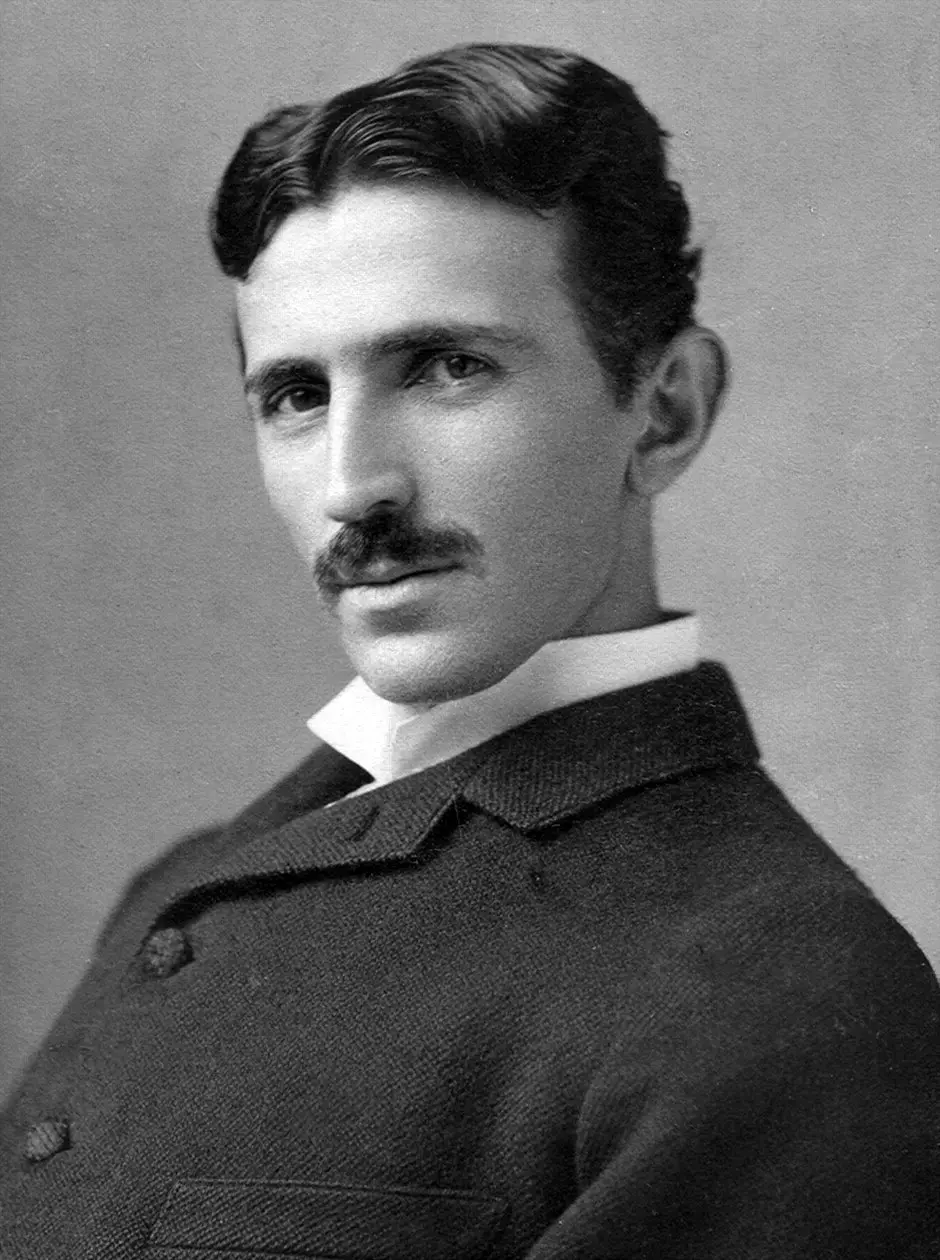
Scientist · Austrian Empire (now Croatia) / United States
Nikola Tesla
He dug ditches for $2 a day, licensed his AC motor to Westinghouse two years later, and spent his old age leaving hotels with unpaid bills.
01 / At a glance
- Born
- 10 July 1856, Smiljan, Austrian Empire (now Croatia)
- Died
- 7 January 1943, alone in his room at the Hotel New Yorker, New York, aged 86
- Education
- Technical College in Graz; left in December 1878 without a degree
- After Graz
- Draftsman in Maribor, 60 florins a month
- Lowest point
- Ditch digger, $2 a day, 1886
- Big deal
- Westinghouse licence, July 1888: $60,000 in cash and stock plus $2.50 per horsepower
- Known for
- AC induction motor, polyphase AC system, Tesla coil
- Biggest bet
- Wardenclyffe Tower, Shoreham, New York (begun 1901; work stopped around 1905–06)
- Honours
- AIEE Edison Medal (1916); the SI unit of magnetic flux density named the tesla (1960)
- The question his life answers
- What is a great idea worth if you can't make it pay?
01 / Where he came from
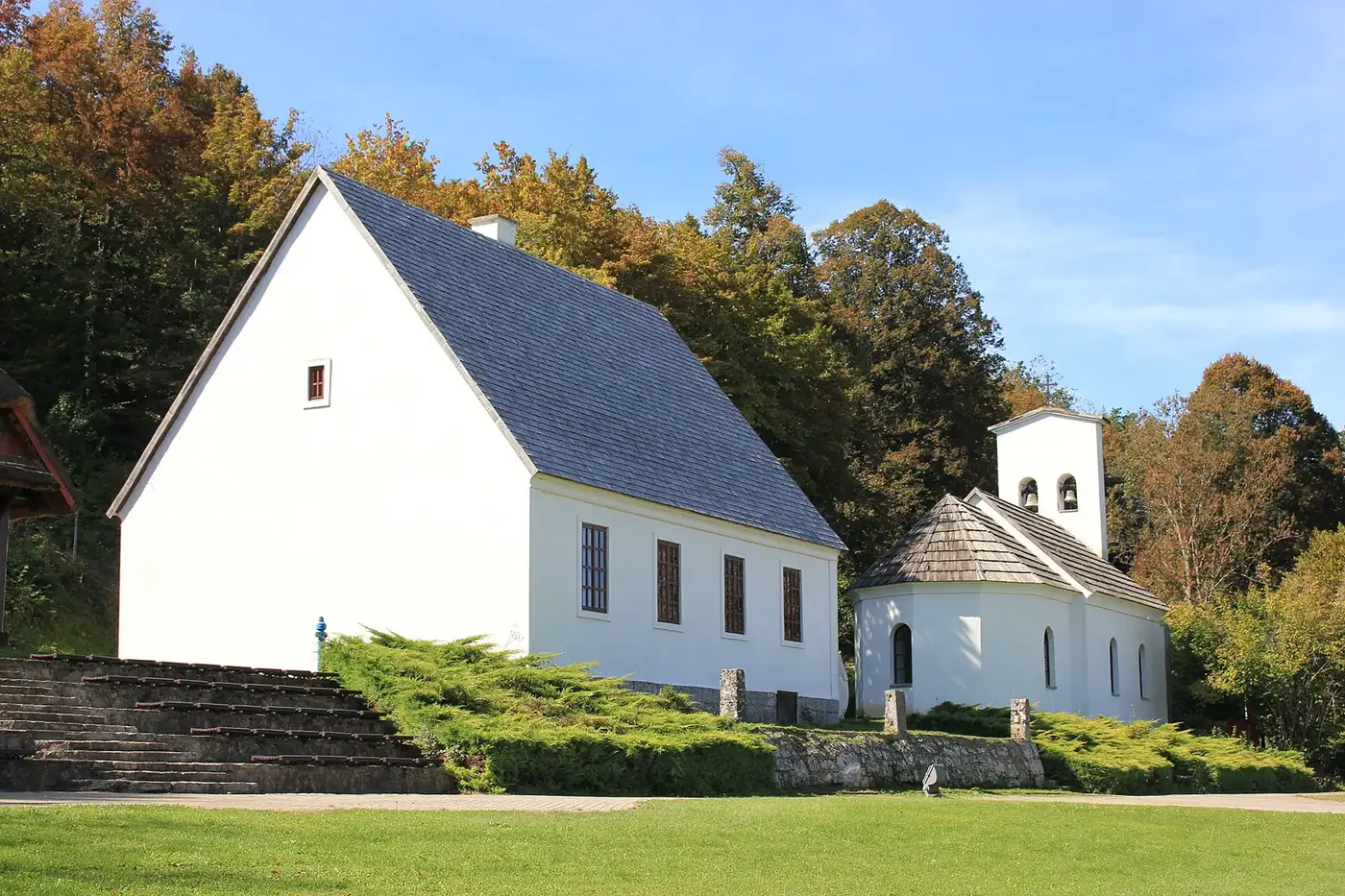
- Born on 10 July 1856 in Smiljan, a village in the Austrian Empire, now in Croatia. His father Milutin was an Orthodox priest.[1]
- His mother Đuka never went to school but made her own tools and devices. "My mother was an inventor of the first order," he wrote.[1][2]
- His father wanted him to join the clergy. "I longed to be an engineer but my father was inflexible."[2]
- In 1873 he caught cholera and was in bed for nine months. Near death, he told his father: "Perhaps I may get well if you will let me study engineering." His father promised to send him to "the best technical institution in the world".[1][2]
02 / How he paid the bills
- He went to Graz on a scholarship in 1875. The dean wrote to his father: "Your son is a star of first rank." By his third year he was failing, and he left in December 1878 without a degree.[1]
- His family did not hear from him after he left. A classmate found him in Maribor in January 1879, working as a draftsman for 60 florins a month. His father died in April 1879.[1]
- He then worked at the Budapest Telephone Exchange (1881) and Continental Edison in Paris (1882), and moved to New York in June 1884 to work at the Edison Machine Works.[1]
- He quit after about six months. Why is unclear. In his autobiography he said the manager promised him $50,000 for redesigning machines, but "it turned out to be a practical joke". His diary note: "Good By to the Edison Machine Works".[1][2]
- In 1886 the investors in his first company, an electric lighting firm, dropped it to run a utility instead. That left him penniless, and he lost control of the patents he had assigned to it. He took electrical repair jobs and dug ditches for $2 a day. He later wrote: "My high education in various branches of science, mechanics and literature seemed to me like a mockery".[1]
03 / The idea in the park and the Westinghouse deal
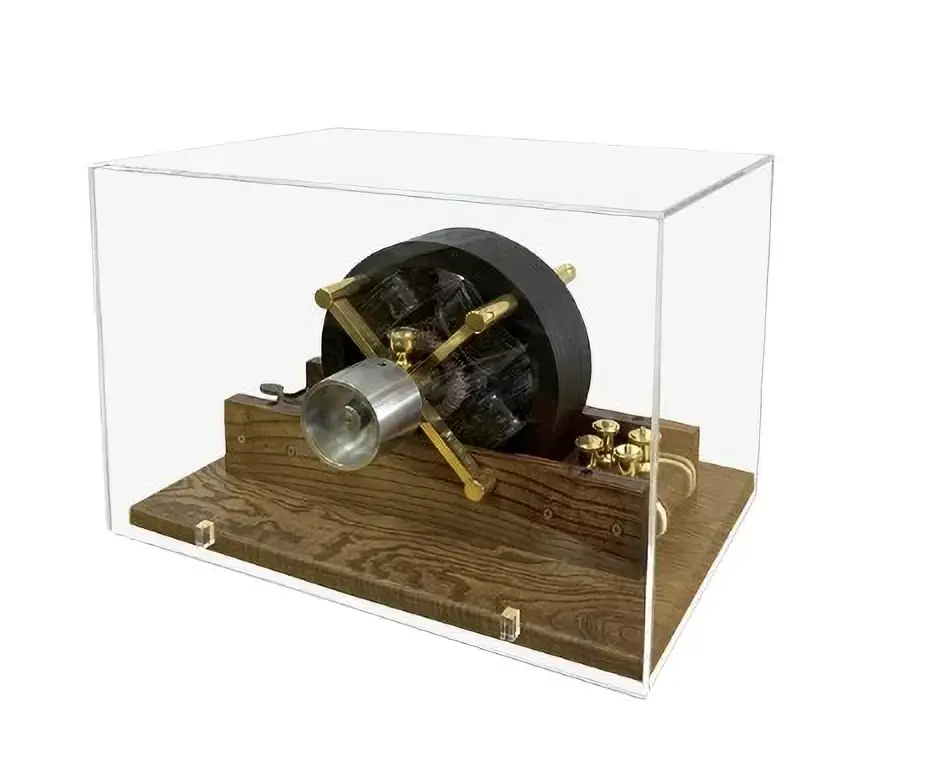
- Walking in Budapest's City Park and reciting Goethe, he later wrote, the idea for his motor "came like a flash of lightning". He drew the diagrams in the sand with a stick.[2]
- Two businessmen, Alfred Brown and Charles Peck, set up the Tesla Electric Company with him in April 1887.[1]
- He showed his AC induction motor to the American Institute of Electrical Engineers in May 1888.[1]
- In July 1888 Brown and Peck negotiated a licence with George Westinghouse for the motor and transformer designs: $60,000 in cash and stock plus $2.50 for every horsepower it produced.[1]
04 / Giving up his royalty
- The financial panic of 1890 hit Westinghouse. Its new lenders wanted the Tesla royalty cut, and Tesla agreed to drop it.[1]
- Westinghouse later bought the patent outright for a lump sum of $216,000.[1]
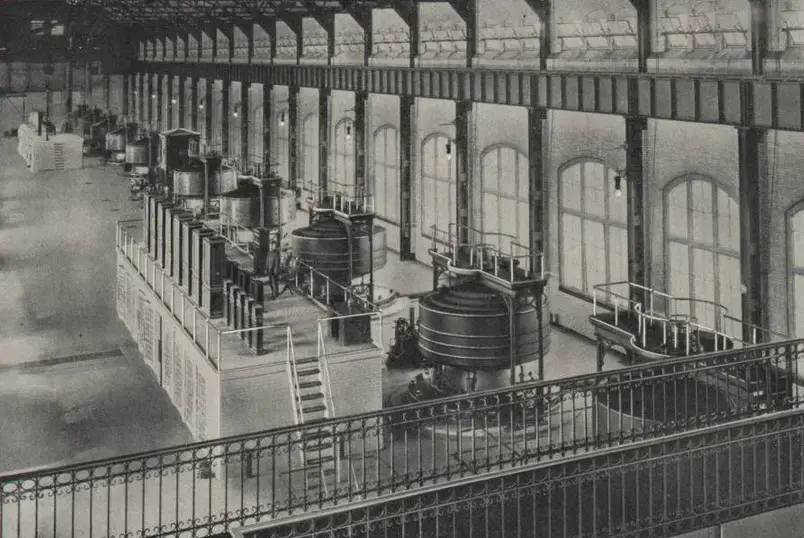
- Westinghouse lit the 1893 Chicago world's fair with AC. Tesla advised on Niagara Falls, and Westinghouse won the contract to build the generators there.[1]
- On 13 March 1895 a fire destroyed his lab, with notes, models and demonstration pieces. "I am in too much grief to talk. What can I say?"[1]
05 / The tower that broke him
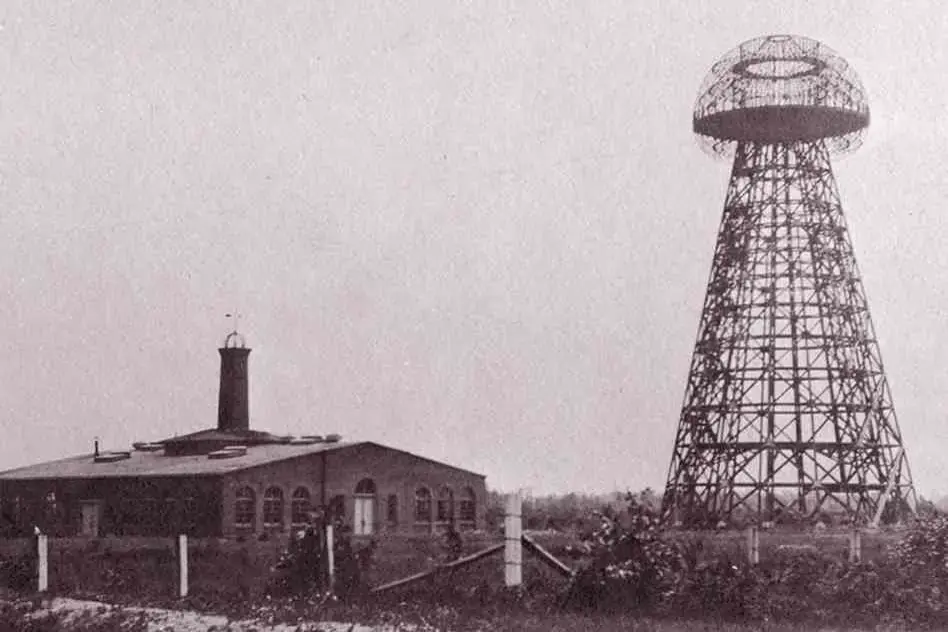
- John Jacob Astor IV put in $100,000 for his wireless experiments. In March 1901 J. P. Morgan put in $150,000 for a wireless tower on Long Island.[1][3]
- In December 1901 Marconi sent the letter S by radio from England to Newfoundland. Investors moved to Marconi, and Tesla's project stopped in 1905.[1]
- He mortgaged Wardenclyffe to the owner of the Waldorf-Astoria to cover his bills at the hotel.[3]
- He could not keep up the payments. From 4 July 1917 the tower was dynamited for scrap.[3]
06 / The last years in hotel rooms
- By 1915 he was effectively bankrupt.[1]
- Unpaid bills got him evicted from the St. Regis in 1923. He had to leave the Hotel Pennsylvania in 1930 and the Hotel Governor Clinton in 1934.[1]
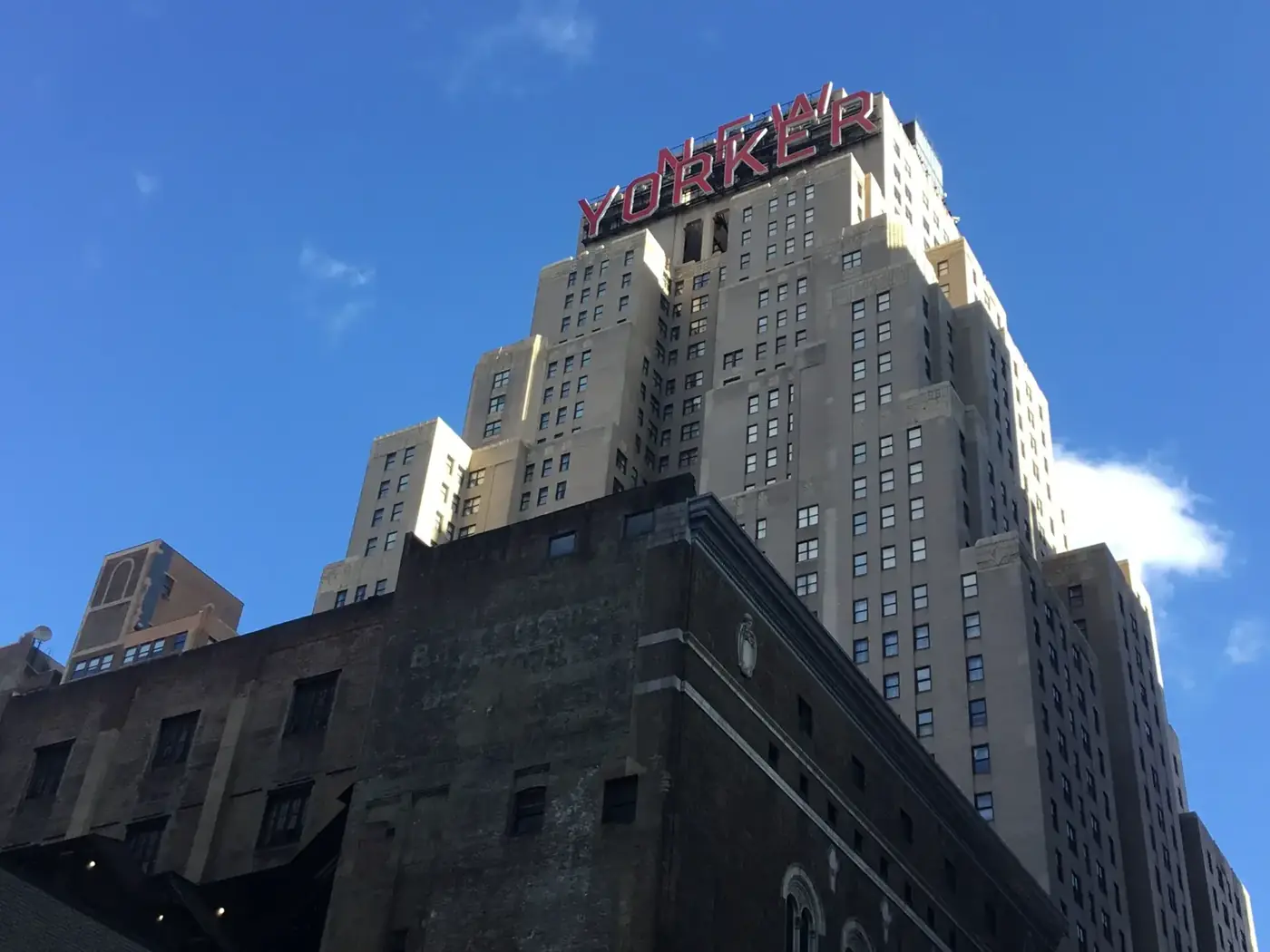
- From 1934 Westinghouse paid him $125 a month and covered his rent at the Hotel New Yorker.[1]
- A taxi hit him in 1937 and he never fully recovered. He died alone in his room on 7 January 1943, aged 86.[1]
- In 1960 the SI unit of magnetic flux density was named the tesla.[1]
Lessons
- Keep hold of what you invent. He signed his first patents over to investors and lost them.
- Get paid in a way that survives a bad year. His royalty could have made him rich, and he gave it up during one crisis.
- Make sure the money lasts until it works. Wardenclyffe ran out of funding and never became operational.
- Back up your work. One fire destroyed his early notes, research material and models.
- A bad job is not the end. Two years after digging ditches, he was licensing his motor to Westinghouse.
Read more
Key sources
Watch
Tesla (2016) | Full Documentary | American Experience
PBS America
The full PBS American Experience film on his life (2016).
Watch on YouTubeTesla, Chapter 1
American Experience | PBS
First chapter of the PBS American Experience Tesla film, on PBS's own channel.
Watch on YouTubeIdea and Illusion: The Rise and Fall of Nikola Tesla - W.B. Carlson - 11/12/2020
caltech
Tesla biographer W. Bernard Carlson's Caltech lecture on Tesla's rise and fall.
Watch on YouTubeTesla: Inventor of the Electrical Age | Bernard Carlson | Talks at Google
Talks at Google
Tesla biographer W. Bernard Carlson on his book about Tesla, at Google.
Watch on YouTube