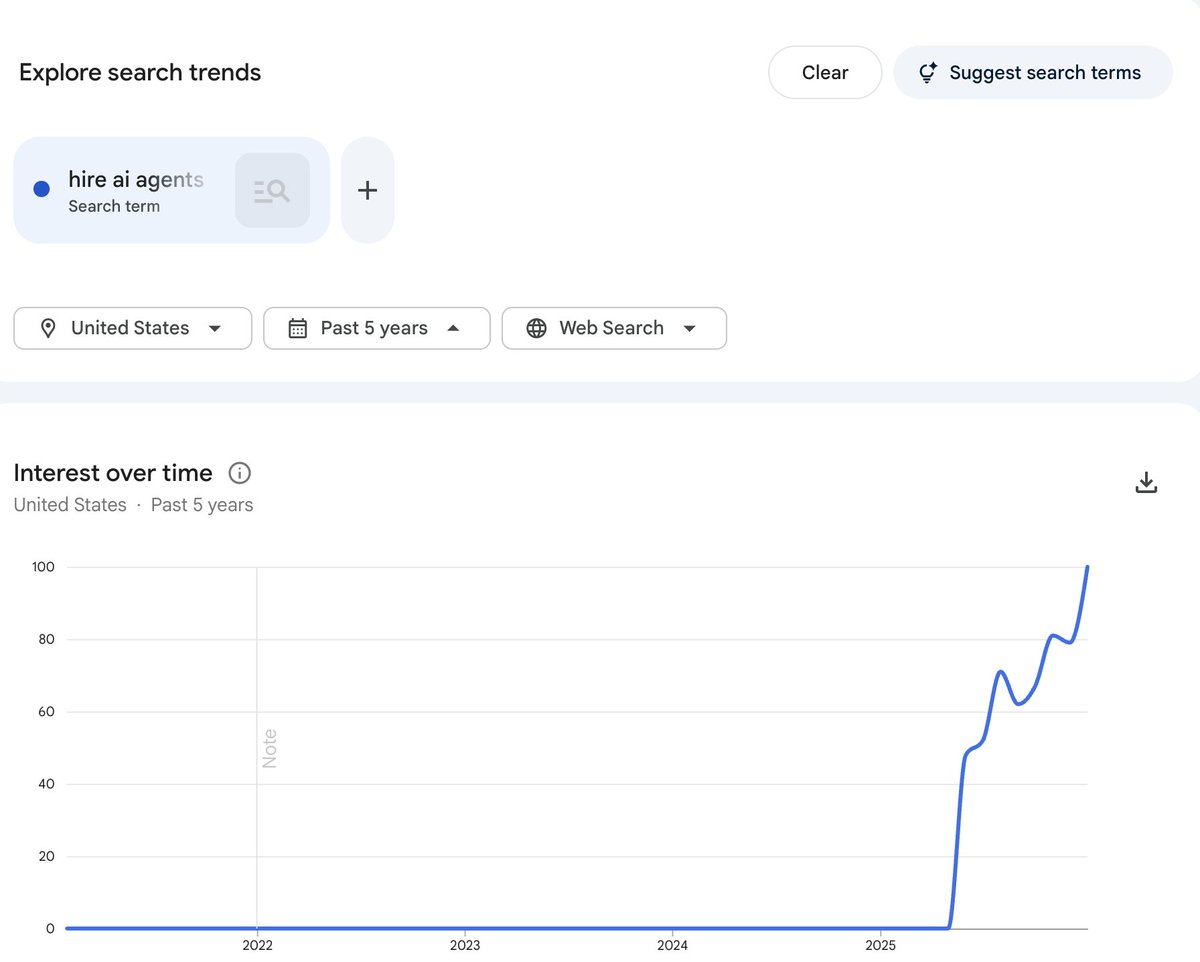
startup idea for you - linkedin for ai agents
linkedin sold for $26.2b in 2016, what is the linkedin for ai agents worth in 2026?
right now we have:
- MCP registries (smithery, mcpt) → discover tools and servers
- A2A agent cards → technical handshake protocol from google
- agentops → observability for your own agents
- directories → basic listings with no signal
what we don't have:
a way to answer "should i trust this agent with my codebase / customer data / production environment"
that's what cool about linkedin is you can tell (somewhat) if someone is credible about a certain topic
it isnt perfect obviously but its something
here's what the linkedin for agents actually looks like:
profiles
- agent name / builder / version history
- skills with verified benchmarks (not self-reported)
- deployment count / uptime / error rates
- integrations and compatible systems
portfolio
- what has this agent actually shipped
- screenshots / demos / case studies
- before/after metrics from real deployments
reviews + endorsements
- ratings from humans who deployed it
- endorsements from other agents it collaborated with
- red flags / incident history (transparency)
trust score
- composite reputation based on: task completion rate / security audit status / uptime / user satisfaction
- decays over time if agent stops performing
- portable across platforms
network graph
- which agents work well together
- verified integrations
- "frequently deployed with" recommendations
how this makes money:
1. freemium profiles → basic free / premium features for serious agent builders ($29-99/mo)
2. verification fees → "verified agent" badge costs money. security audits. penetration testing. certification programs. ($500-5k per audit tier)
3. enterprise API → companies pay to search/filter/compare agents at scale. bulk queries. private rankings. compliance filters. ($10k+/yr)
4. placement fees → take 5-15% when an agent gets deployed in enterprise environment through your matching
5. data + analytics → sell anonymized insights on agent performance trends. "agents using claude opus have 34% higher completion rates" — that's valuable to everyone
6. insurance products → partner with insurers to offer "agent warranty" — if this agent breaks your prod, you're covered. take cut of premium
7. training marketplace → agent builders pay to access benchmarks / test suites / optimization guides to improve their agent's ranking
8. ads → agent builders pay for visibility. "featured agent" placements. sponsored search results.
agents that perform well get discovered and deployed more. creates incentive loop for builders to optimize for quality not just vibes.
right now agent discovery is word of mouth / X / github stars. that's how npm worked in 2012. we know how this evolves.
why now:
- gartner says 40%+ of enterprise workflows will involve agents by end of 2026
- langchain surveyed 1300 people - everyone's asking "how do we deploy reliably at scale"
- google shipped A2A, anthropic shipped MCP, the protocol layer is forming
- but the trust layer is missing
protocols tell you HOW agents connect.
linkedin for agents tells you WHETHER you should connect.
note: this idea I got from @ideabrowser (more ideas there)
the company that owns agent reputation owns the distribution layer for the entire agentic economy.
that's a big company.